
- Release date: Cherven 2025
- Type: Drukovane vidannya
- Pages: 320
- ISBN: 978-617-8533-11-3
The West's mistake: a rational approach to an irrational neighbor
Russia's full-scale invasion of Ukraine shocked the world, which believed that in the 21st century in Europe, mass executions of civilians and prisoners of war, rape as a method of warfare, and the destruction of entire cities were impossible. The West's long attempts to understand the "mysterious Russian soul" led to the realization that it knew nothing about Russians. Mistaking proximity for similarity, Europeans and Americans apply their own rational approaches to Russia — and are wrong. Europe and Russia developed under fundamentally different conditions. Their historical trajectories are distinct from one another — and so are their worldviews.
Symbiosis with the Horde: a model of power that does not change
What began as forced vassalage turned into symbiosis. From dependence, Muscovy moved to similarity — and eventually to identity. While Europe was developing cities, ideas of natural law, the Renaissance and the Reformation were emerging, Muscovy was mastering the despotic political instruments of the Horde. When the power of the Mongol khans weakened, Moscow's princes became the main claimants to the Golden Horde's legacy. As a result of a series of successful wars, yesterday's vassals subjugated a vast territory — once violently centralized by the Mongols — and maintained it through coercion.
Russia as a chimera: an artificial empire of coercion
Here lies the key to understanding Russia. Muscovy elites, even after having rid themselves of Mongol rule, never abandoned the view of themselves as an occupying administration. Russia is a chimera-state. Its hundred ethnic groups are held together not by a shared past or a common vision of the future — but by the coercion of central power, without which this construction cannot exist. The history of Muscovy, renamed Russia in 1721, is the story of its elites striving for two interrelated goals: to assert themselves on the continent as rulers of a superstate, and to secure their exclusive status as beneficiaries of natural rent.
What this book is about
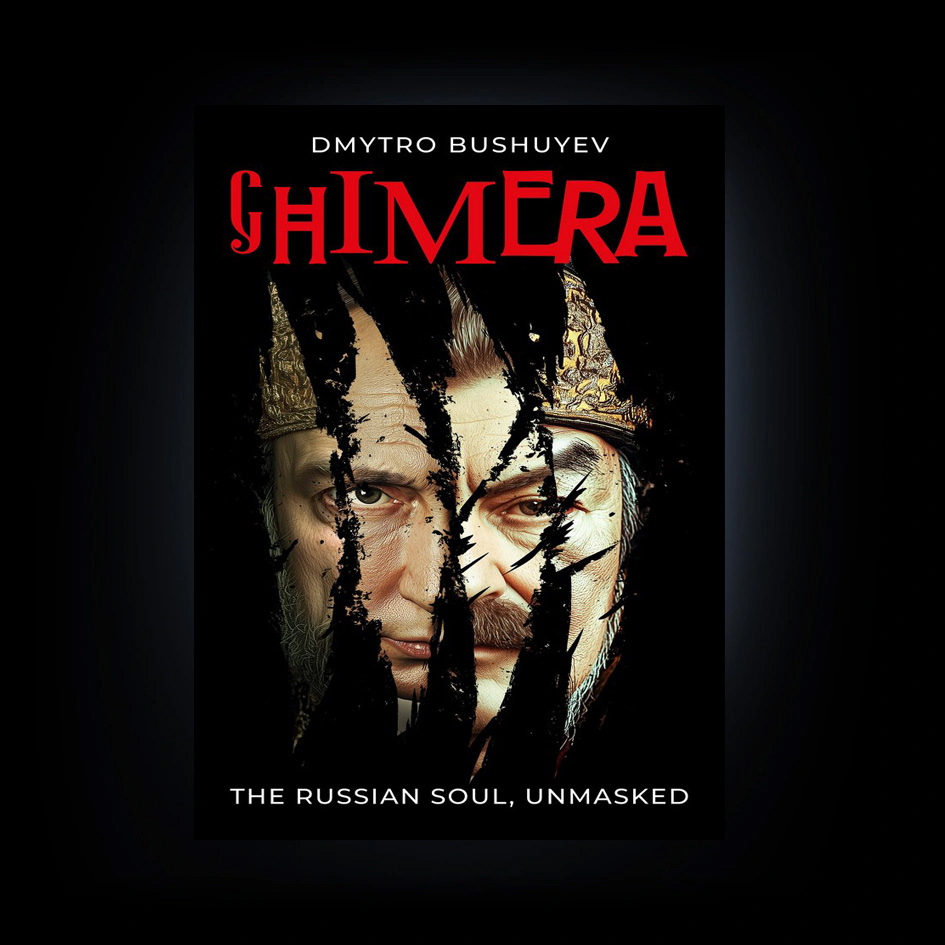
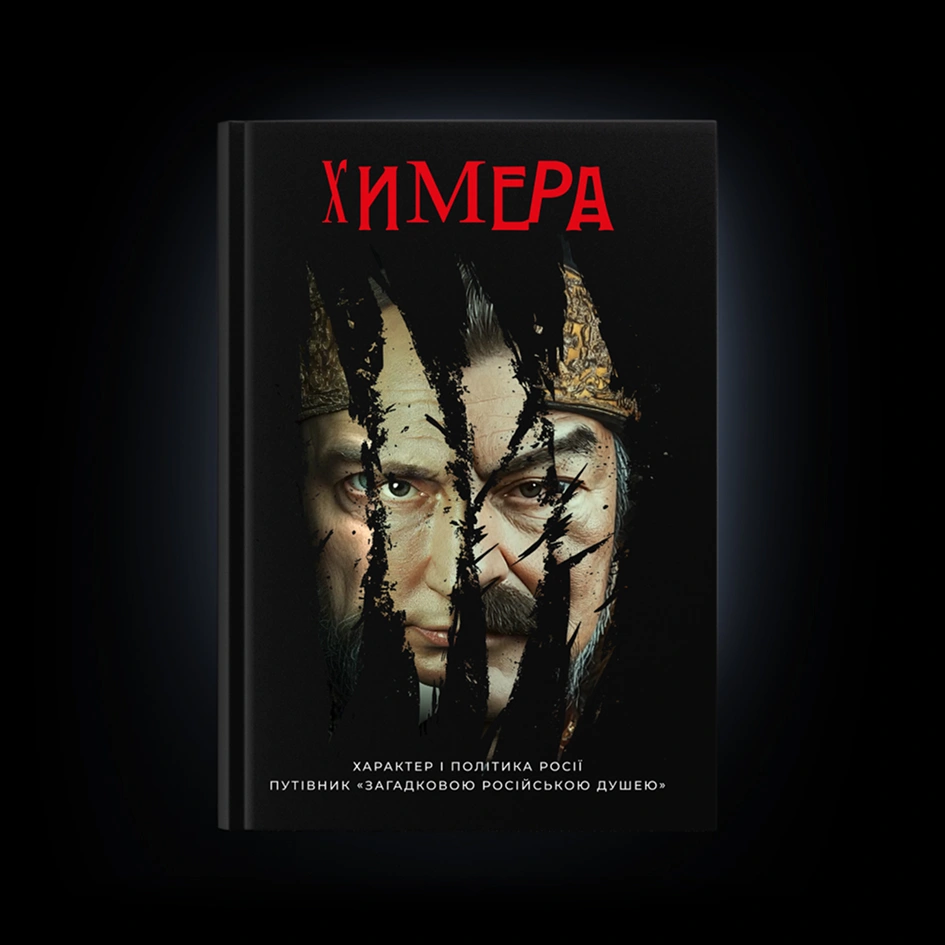
The book Chimera: The Russian Soul, Unmasked is precisely about this. About how we continue making the same mistake — viewing Russia through the lens of Western concepts. About how Russian elites for centuries have kept their own people in submission and mobilized them against imaginary external enemies through exceptionalist myths. About how behind the supposed mystery of the Russian soul stands not spiritual depth but ethical relativism, born of constant struggle for survival — and the unwillingness to look into the abyss of their own past, filled to the brim with the bones of the tortured.
The book shows how the Russian worldview was formed — from Moscow princes to Russian emperors, from general secretaries of the Communist Party of the Soviet Union to the current president of the Russian Federation. It answers the questions of why Russia has always perceived, perceives, and will perceive the West as an enemy — and why it needs an authoritarian, not a democratic, world order. Why the war in Ukraine is not an accident, but another attempt at Russian expansion westward, which, if successful, would lead to the destabilization of Central and Eastern Europe and the collapse of international law.
The author examines 700 years of Russian history — and how Russia sees its role on the continent and in the world. Normans, Mongols, German aristocrats of the 18th century and generals of the 20th, French intellectuals, British spies, and American politicians — as well as oil and nuclear missiles — are the "heroes" of this frank and often unsettling conversation.